Storage Bins vs. Cardboard Boxes: Which Is Better for Your Storage Unit?


Boxes vs Bins

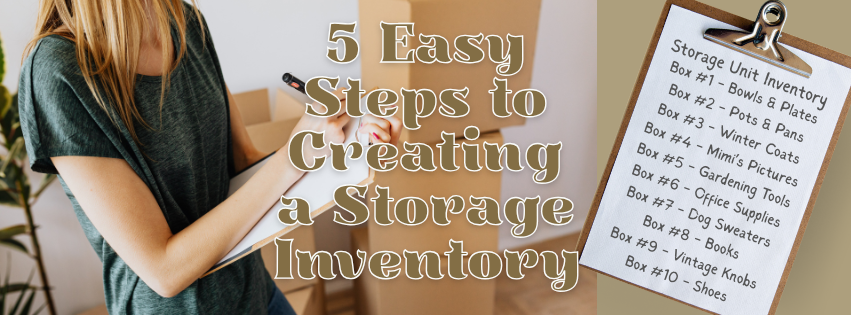
When you're getting ready to rent a storage unit, one of the first questions you may have is: What should I pack everything in?Cardboard boxes are inexpensive, easy to find, and great for moving. But if your belongings will be sitting in storage for more than a short period of time, sturdy plastic storage bins can have some major advantages.From easier stacking to better protection from moisture, here are a few reasons you may want to choose plastic storage bins instead of cardboard boxes. 1. Better Protection From Moisture One of the biggest disadvantages of cardboard is that it absorbs moisture. Humidity, condensation, or an accidental spill can cause cardboard boxes to become soft, warped, or damaged.Plastic storage bins provide a more moisture-resistant barrier. While they aren't necessarily waterproof, sturdy bins with secure-fitting lids can provide better protection against everyday moisture and humidity.Storage Tip: Make sure everything you place inside a plastic bin is completely dry. Sealing damp items inside can trap moisture and encourage mold or mildew. 2. An Extra Barrier Against Pests Cardboard can be attractive to certain pests, and boxes may develop openings or become damaged over time.Plastic bins with tight-fitting lids create an additional barrier between your belongings and unwanted visitors. They're especially helpful when storing items such as clothing, linens, seasonal decorations, books, and household goods.Remember, though, that storage bins aren't a substitute for good packing habits. Avoid storing food or other items that could attract pests, and always follow your storage facility's rules regarding prohibited items. 3. Stronger and More Durable We've all seen what happens to a cardboard box when too many other boxes are stacked on top of it—squish!Plastic storage bins generally hold their shape better, making them a good option when you need to stack containers inside your storage unit.They're also reusable. When you're finished storing your belongings, you can use the bins again for your next move, seasonal organization, garage storage, or another trip to the storage unit. 4. Easier to Stack and Organize Making the most of ...


Scamper
September 29th, 2026


10 Things People Forget to Do Before Renting a Storage Unit


Don't Forget

Renting a storage unit seems pretty straightforward: pick a size, sign the paperwork, and start moving your belongings in. But there are a few important details that are easy to overlook.Whether you're moving, decluttering, renovating, or simply running out of space, a little planning can help you avoid unnecessary expenses and headaches. Before you rent, here are 10 things people often forget to do before getting a storage unit. 1. Measure What You Need to Store It's easy to overestimate or underestimate how much space you need. Before choosing a unit, make a list of your larger belongings and estimate how many boxes or totes you'll have. This can help you avoid paying for unused space—or discovering that your unit is too small on moving day. 2. Ask About Additional Fees The advertised monthly rental price may not be the only expense. Ask about administrative fees, locks, deposits, insurance requirements, taxes, and other potential charges before signing your agreement. 3. Find Out About Rate Increases If you're taking advantage of a move-in special or promotional rate, ask how long it lasts. It's also a good idea to find out how rental rate changes are handled so you know what to expect during a longer stay. 4. Check the Access Hours Don't confuse office hours with gate-access hours! If you work late, travel frequently, or think you'll need your belongings on weekends, make sure the facility's access schedule works for you. 5. Consider Climate-Controlled Storage Not everything handles extreme temperatures well. Electronics, photographs, documents, wood furniture, artwork, leather, and other sensitive belongings may benefit from a climate-controlled environment.This can be especially important when storing belongings through the hot Texas summer months. 6. Review Your Insurance Coverage Don't automatically assume your belongings are covered by the storage facility. Check whether your homeowners or renters insurance provides coverage for stored belongings and ask the storage facility about its insurance requirements or available protection options. 7. Inspect the Unit Before Moving In Take a look at the actual storage space before filling it. Check for signs of moisture, ...


Scamper
September 15th, 2026


How to Winterize Your Storage Unit and Stored Items


Storage Winterizing

As colder weather approaches, it’s a good time to prepare your storage unit and belongings for the winter months. Even in Texas, temperatures can change quickly, and occasional freezes, moisture, and winter storms can affect improperly stored items.A little preparation can help keep your belongings organized and protected until you’re ready to use them again. 1. Use Plastic Storage Totes Consider replacing cardboard boxes with sturdy plastic totes, especially for items you plan to store throughout the winter. Plastic containers provide an added layer of protection against dust and moisture and are easy to stack.Make sure everything is completely clean and dry before placing it inside a tote. Label each container so you can quickly find what you need later. 2. Keep Items Off the Floor Whenever possible, use shelving or pallets to elevate boxes and other belongings. Keeping items off the floor can improve organization and provide extra protection if moisture finds its way into the unit.Place heavier containers on the bottom and lighter or fragile items toward the top. 3. Prepare Furniture for Storage Clean and thoroughly dry furniture before putting it into storage. Instead of wrapping furniture tightly in plastic, consider using breathable furniture covers or moving blankets. These can help protect against dust while allowing some airflow.For tables and other furniture that can be safely disassembled, removing legs or other components may also save valuable storage space. 4. Drain Equipment That Contains Water Freezing temperatures can cause water left inside hoses, pressure washers, lawn equipment, and other seasonal items to expand.Drain water from equipment before storing it for winter and follow the manufacturer's recommendations for long-term storage. 5. Remove Batteries If you're storing battery-operated seasonal decorations, tools, toys, or electronics, remove the batteries first. Batteries left inside devices for extended periods can leak or corrode and potentially damage the item.Store batteries separately in an appropriate location. 6. Clean Before You Store Don't put dirty or damp belongings into storage for several months. Clean outdoor equipment, camping gear, furniture, clothing, and other seasonal items and allow everything to dry ...


Scamper
September 4th, 2026


Hurricane Season: Prepare Now, Stay Safe Later


Storm Preperations

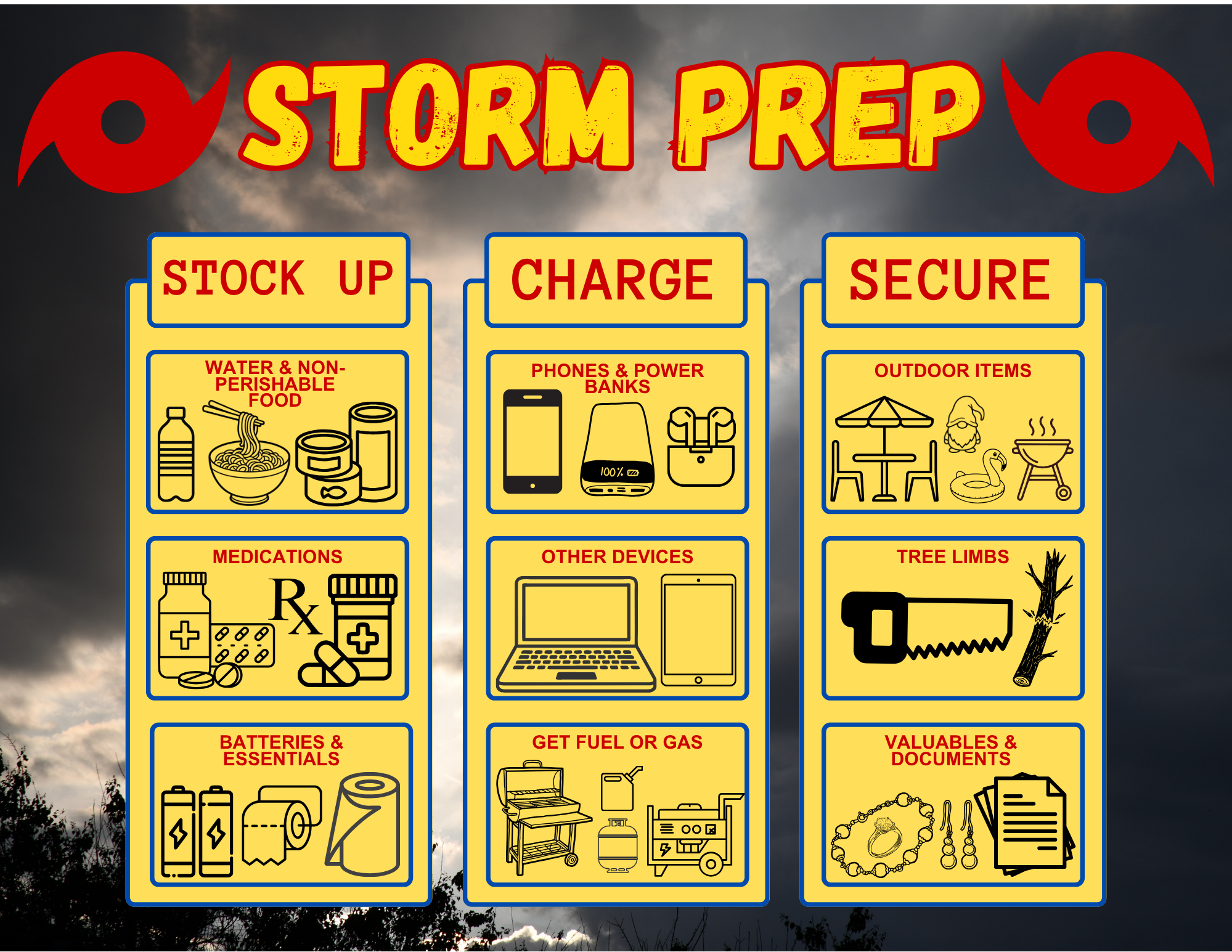
Hurricane season can bring more than just strong winds. Heavy rain, flooding, power outages, fallen trees, and disruptions to everyday services can happen quickly. At Scamper Storage, we encourage our customers and neighbors to prepare before a storm is headed our way. A little preparation now can make a big difference when severe weather arrives. As the storm-prep checklist above shows, start by stocking up on essentials. Keep plenty of drinking water, non-perishable foods, necessary medications, batteries, flashlights, and basic household supplies on hand. Avoid waiting until the last minute, when stores may be crowded or important items may already be sold out. Next, charge your devices. Phones, tablets, laptops, portable chargers, and power banks should be fully charged before the weather deteriorates. If you have a generator, make sure it is ready and that you have the appropriate fuel. Remember to operate generators outdoors and well away from doors, windows, and vents to prevent dangerous carbon monoxide buildup. Don't forget the outside of your home. Secure patio furniture, grills, decorations, toys, umbrellas, and other loose objects that could become dangerous in high winds. Trim questionable tree limbs when it is safe to do so, and bring important documents, valuables, and irreplaceable belongings into a protected location. Most importantly, pay attention to local weather alerts and instructions from emergency officials. Know your evacuation route, understand whether your area is vulnerable to flooding or storm surge, and never drive through flooded roadways. Hurricane season can be unpredictable, but your preparation doesn't have to be. Stock up. Charge up. Secure your property. Stay informed. From all of us at Scamper Storage, stay prepared and stay safe this hurricane season.m ipsum dolor sit amet. ...


Scamper
August 31st, 2026


Moving? Don’t Forget to Change Your Address


Address Change

Moving comes with a long list of things to do. Between packing boxes, arranging transportation, cleaning, setting up utilities, and getting settled into your new home, one important task can easily slip through the cracks: changing your address.Updating your address involves more than forwarding your mail. From subscriptions and insurance policies to pet records and online shopping accounts, there are quite a few places that need to know where you’ve moved.Here’s how to make sure your mail, bills, packages, and important information follow you to your new home. Start With USPS Mail Forwarding One of the first things you should do is submit a Change of Address request with the United States Postal Service (USPS).USPS mail forwarding helps redirect eligible mail from your previous address to your new one. This can be especially helpful during the first few months after your move while you're updating your information with individual businesses and organizations.However, there’s an important distinction to remember:Forwarding your mail does not automatically change your address with the companies that send it.Think of mail forwarding as a safety net rather than a permanent solution. When forwarded mail arrives, take a moment to look at who sent it. If the sender still has your old address, add them to your update list. Update Your Government Records Several government agencies may need your new address, and some have specific deadlines for reporting a move.Depending on your situation, this may include your driver's license, vehicle registration, voter registration, tax records, and other state or local agencies.If you're moving to another state, make sure you check the requirements for your new state rather than assuming the rules are the same. Banks, Credit Cards and Financial Accounts Your financial institutions should also be high on your priority list.Update your address with your bank, credit union, credit card companies, mortgage provider, lenders, investment accounts, retirement accounts, and other financial services you use.Don't forget about digital payment accounts and wallets that may have your old billing or shipping address stored. Insurance Policies Contact your insurance ...


Scamper
August 18th, 2026


How to Prepare Household Appliances for Storage


Whether you're moving, renovating, downsizing, or simply making more room at home, putting household appliances into a storage unit can be a great solution. But appliances shouldn't simply be unplugged and placed into storage.Moisture, leftover water, dirt, and improper packing can lead to odors, mildew, rust, and damage. Before moving your appliances into storage, take a little time to prepare them properly.Here’s how to prepare refrigerators and freezers, washers, dryers, vacuum cleaners, and carpet cleaners for storage. 1. Refrigerators & Freezers Refrigerators and freezers require some of the most important preparation because they can trap moisture and develop unpleasant odors or mildew.Before storing: Empty all food from the refrigerator and freezer. Unplug the appliance well before moving it. Allow the freezer to completely defrost. Remove shelves and drawers and wash them thoroughly. Clean the interior walls, shelves, drawers, and door seals. Wipe everything dry and allow the appliance to air out. Clean the exterior and remove dust from accessible coils and vents. Secure shelves and drawers so they don't shift during transportation. Keep the power cord secured against the appliance. Storage Tip: Never store a refrigerator or freezer with the door tightly closed. Leave the door slightly open so air can circulate and help prevent trapped moisture, mold, mildew, and odors.Whenever possible, transport and store refrigerators and freezers upright. 2. Washing Machines Even when a washing machine looks empty, water can remain inside hoses, pumps, and other components. Removing as much moisture as possible is especially important before long-term storage.Before storing: Disconnect the washer from power. Turn off the water supply. Disconnect the hot and cold water hoses. Drain as much remaining water as possible from the hoses and machine. Clean the detergent and fabric softener dispensers. Wipe down the drum, door, lid, and exterior. Allow the washer to dry thoroughly before storage. Clean and dry the hoses before packing them separately. Secure the power cord and hoses for transportation. Check your owner's manual for moving instructions. Some washing machines require shipping bolts or other transport hardware to keep the drum from moving and becoming damaged during transportation.Once in storage, consider leaving the washer ...


Scamper
August 17th, 2026


Do You Need Storage Insurance? Here's What Every Storage Customer Should Know


Cover your Storage

When you rent a self-storage unit, you're taking an important step toward protecting your belongings. But one question many customers don't think about until later is: Are my items automatically insured while they're in storage? The answer may surprise you.In most cases, self-storage facilities do not insure the personal property stored inside your unit. That's why storage insurance is an important part of protecting your belongings against unexpected events. What Is Storage Insurance? Storage insurance is designed to help cover the value of your stored items if they're damaged or lost due to certain covered events. While every policy is different, storage insurance may provide protection against situations such as: 🔥 Fire 🔓 Theft 🚧 Vandalism 🌪️ Certain weather-related damage 💧 Other covered losses as outlined in your policy Having the right coverage can provide valuable financial protection and peace of mind while your belongings are in storage. Where Can You Get Storage Insurance? You may already have coverage without realizing it. Many homeowner's and renter's insurance policies provide some protection for personal property stored away from your home. However, coverage limits, deductibles, and exclusions vary from policy to policy. If your current policy doesn't provide enough protection—or doesn't cover stored property—you may be able to purchase a storage-specific insurance policy. Before storing valuable items, it's always a good idea to contact your insurance provider and ask: Are my stored belongings covered? What are my coverage limits? Are there any exclusions I should know about? Would additional storage insurance be recommended? A quick phone call today can help prevent surprises later. Simple Steps to Protect Your Belongings Whether you're storing household items, business inventory, or family keepsakes, taking a few minutes to prepare can make a big difference if you ever need to file an insurance claim. Take Photos Photograph your belongings before placing them into storage. Clear photos can help document their condition and make the claims process much easier if damage or loss occurs. Create an Inventory Make a list of what's inside your storage unit. Include descriptions, estimated values, and serial numbers for electronics or expensive equipment whenever possible. Review Your Coverage Read your insurance ...


Scamper
August 14th, 2026


How Online Self Storage Auctions Work


Process for an Auction

Many people have heard about storage unit auctions but aren't sure how they actually work. Television shows often make them look exciting and unpredictable, but in reality, the process is carefully regulated and only occurs after specific legal requirements have been met.At Scamper Storage & Business Park, we believe it's important for our customers to understand how the lien and auction process works—and more importantly, how it can usually be avoided. When Does a Storage Unit Go to Auction? A storage unit is not auctioned simply because a payment is a few days late. Before an auction can take place, the storage facility must follow state laws regarding unpaid accounts. This includes providing the required notices and completing the legal lien process.Only after those legal steps have been completed may the contents of the storage unit be sold to help recover the unpaid balance. How Online Storage Auctions Work Today's storage auctions are typically held online, making the process accessible to buyers while maintaining transparency.Here's what generally happens: 1. The Unit Is Listed Online Once the legal requirements have been met, the storage facility lists the unit on a secure online auction platform. The listing usually includes photographs of the unit so potential buyers can see the visible contents. 2. Buyers Place Their Bids During the auction period, registered bidders can review the photos and submit bids online. Because bidders cannot enter the unit before purchasing it, they're bidding based only on what they can see from the doorway. 3. The Highest Bid Wins When the auction closes, the highest bidder purchases the contents of the unit. 4. The Unit Must Be Emptied The winning bidder is responsible for removing all items from the storage unit within the timeframe specified by the facility. This helps prepare the unit so it can be cleaned and rented again. 5. Personal Items Are Handled Carefully Whenever possible, personal documents, photographs, and other protected items are handled according to Texas law and the facility's policies. While these items generally have little resale value, they may have significant sentimental ...


Scamper
August 6th, 2026


Running Out of Space at Your Business? Self Storage Can Help


Business Storage

As your business grows, so does the amount of equipment, inventory, and supplies you need to keep on hand. Before you start feeling cramped or consider moving to a larger office or warehouse, there may be a simpler and more affordable solution: self storage.A storage unit can help businesses stay organized, improve efficiency, and free up valuable workspace without the expense of expanding your current location. What Can Businesses Store? Many business owners are surprised by how much they can safely store in a storage unit. Some of the most common items include: Extra Inventory – Keep overstock products nearby without overcrowding your office or retail space. Office Furniture – Store unused desks, chairs, filing cabinets, or furniture until you need them again. Business Records and Files – Archive important paperwork while keeping your workspace neat and organized. Marketing Materials and Signs – Banners, trade show displays, promotional items, and seasonal signage can take up valuable room when they're not in use. Tools and Equipment – Contractors, landscapers, and service businesses can safely store tools and equipment between jobs. Seasonal Décor and Supplies – Holiday decorations, seasonal merchandise, and event supplies stay protected until it's time to use them again. Why Businesses Choose Self Storage Using self storage allows you to maximize your existing workspace without committing to a larger commercial building. A well-organized office or storefront can improve productivity, create a better experience for employees and customers, and make it easier to find the items you need when you need them.Whether you're a small business, contractor, online retailer, or growing company, having extra storage space gives you the flexibility to expand without unnecessary overhead costs. Storage Solutions for Local Businesses At Scamper Storage & Business Park in Kemp, Texas, we're proud to help local businesses stay organized and ready for growth. We offer affordable storage units for inventory, equipment, files, and supplies, along with open parking for trailers, work vehicles, and business equipment.Conveniently located just off US Highway 175, our facility makes it easy to access your business essentials whenever you ...


Scamper
July 30th, 2026


Creative Ways to Reuse Your Moving Supplies


Moving Supplies After the Move

Moving into a new home is an exciting milestone. As you unpack room by room, it's tempting to break down every moving box and send it straight to the recycling bin. But before you do, consider giving those boxes and packing materials a second life. Not only can reusing moving supplies save you money, but it's also a great way to reduce waste and stay organized. Here are a few creative ideas to make the most of your moving boxes after the move is complete. 1. Store Seasonal Decorations and Keepsakes Moving boxes are perfect for storing holiday decorations, sentimental keepsakes, seasonal clothing, or other items you only use once or twice a year. Label each box clearly, and you'll have an organized storage system that's easy to access when you need it. 2. Spark Your Child's Imagination A simple cardboard box can become hours of entertainment. With a few markers, stickers, or crayons, kids can transform boxes into forts, castles, playhouses, race cars, spaceships, or even puppet theaters. 3. Make Something Fun for Your Pets Your pets will probably enjoy the boxes just as much as you do! Create a cozy hideout or climbing spot for your cat. Turn boxes into scratching toys or obstacle courses. Make a treat puzzle or play tunnel for your dog to keep them entertained. 4. Help Your Garden Grow Flatten large cardboard boxes and place them in your garden as a natural weed barrier. Cover the cardboard with mulch, and it will help suppress weeds while gradually breaking down into the soil. 5. Save Packing Materials Don't throw away bubble wrap, packing paper, or air pillows. These materials are perfect for: Shipping packages Protecting fragile holiday decorations Wrapping gifts Preparing for your next move 6. Protect Fragile Items in Storage Picture frames, mirrors, artwork, and other delicate items can be wrapped in cardboard and packing paper before placing them in storage. This extra layer of protection helps prevent scratches and damage. 7. Prepare for the Next Season—or the Next Move Keep a ...


Scamper
July 23rd, 2026


Items per page
10
1 - 10 of 13 posts
Categories