_12162025110729833.jpg "Scamper Storage & Business Park 11639 E Hwy 175 Kemp TX 75143")
How to Create an Inventory for Your Storage Unit: Stay Organized, Save Time, and Protect Your Belongings
How to Create an Inventory for Your Storage Unit: Stay Organized, Save Time, and Protect Your Belongings
A. Oatman
November 2nd, 2026
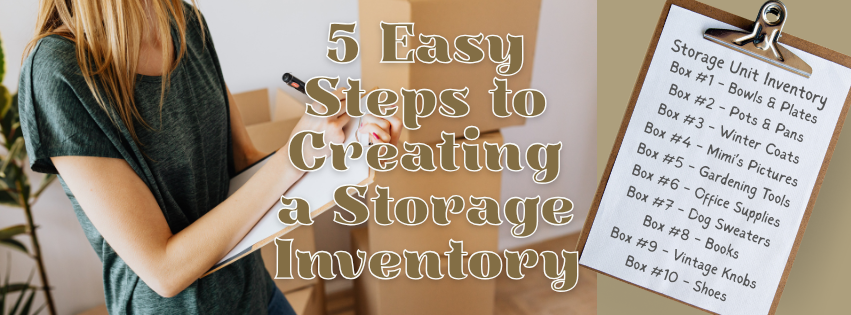
Whether you're storing seasonal decorations, furniture, family keepsakes, business supplies, or household belongings, a storage unit is a great way to free up space while keeping your items accessible. But as time passes and more boxes are added, remembering exactly what's in your storage unit—and where everything is located—can become a challenge. Have you ever spent an hour searching through boxes for something you were sure you put in storage? Or purchased an item only to discover you already had one tucked away? That's where a storage unit inventory comes in handy! Creating an inventory is one of the simplest ways to keep your belongings organized, save time, and maintain important records for insurance purposes. At Scamper Storage, we believe a little planning can make your storage experience much easier.
What Is a Storage Unit Inventory?
A storage unit inventory is a detailed list of the belongings you have placed in storage. It can be as simple as a handwritten checklist or as detailed as a digital spreadsheet complete with photographs, descriptions, estimated values, and box locations.
The goal is simple: Know what you have, where it is, and how to find it when you need it.
5 Easy Steps to Create Your Storage Unit Inventory
Step 1: Number and Label Your Boxes
Before placing items into storage, assign each box or container a unique number.For example:
- Box 001 – Christmas Decorations
- Box 002 – Kitchen Supplies
- Box 003 – Family Photographs
- Box 004 – Winter Clothing
- Box 005 – Office Documents
Write the number on multiple sides of each box so it's visible regardless of how the boxes are stacked. Scamper Tip: Use waterproof labels or permanent markers to help prevent labels from fading or becoming unreadable over time.
Step 2: Create a Detailed Inventory List
Next, write down the contents of each box. While general descriptions are helpful, adding a little extra detail can make locating specific items much easier. Instead of writing "Kitchen Stuff," try: Box 002 – Kitchen Supplies
- 12-piece dinnerware set
- Stainless steel mixing bowls
- Holiday serving platter
- Coffee mugs
- Small kitchen appliances
You can keep your inventory in a notebook, spreadsheet, or inventory app. For valuable belongings, consider recording the brand, model, serial number, purchase date, and estimated replacement value.
Step 3: Take Photographs of Your Belongings
A picture really can be worth a thousand words, especially when documenting items for insurance purposes. Before sealing your boxes, photograph their contents. For larger or valuable items, such as furniture, electronics, antiques, or collectibles, take individual photographs. Whenever possible, include:
- Clear photos of each item
- Serial numbers or model information
- Receipts or proof of purchase
- Photos showing the item's condition before storage
- Estimated replacement values
These records may be useful if you ever need to document damage, theft, or loss. Important: An inventory does not replace insurance coverage. Check your storage insurance or homeowners/renters insurance policy to understand which belongings and circumstances are covered.
Step 4: Create a Map of Your Storage Unit
One of the most overlooked storage organization tricks is creating a simple map of your unit. You don't need to be an artist! A basic sketch showing where your boxes and larger belongings are located will work perfectly. Divide your storage unit into sections, such as:
- Section A: Holiday decorations
- Section B: Furniture and household items
- Section C: Clothing and seasonal items
- Section D: Business supplies and documents
Record each box's section in your inventory. Place frequently needed belongings near the front of your unit, and when space allows, leave a walkway so you can reach items toward the back. Scamper Tip: Take a photograph of your organized storage unit before closing the door. This gives you a quick visual reference of where everything is located!
Step 5: Save Your Inventory and Keep It Updated
Once your inventory is complete, store it somewhere safe and accessible.Digital options such as Google Sheets, Microsoft Excel, or cloud storage make it easy to update your list from your phone or computer. Consider keeping a backup copy in case your original inventory is lost.Most importantly, update your inventory whenever you add, remove, or rearrange items. Even the most detailed inventory becomes less helpful when it's outdated!
6 Benefits of Keeping a Storage Unit Inventory
1. Find Your Belongings Faster
Instead of digging through dozens of boxes looking for your Halloween decorations or an old photo album, simply check your inventory to find the correct box and location. This can save valuable time and eliminate unnecessary frustration.
2. Maintain Documentation for Insurance Claims
One of the most important reasons to create an inventory is to maintain a record of your belongings. If items are damaged, stolen, or lost due to a covered event, an inventory containing descriptions, photographs, receipts, and estimated values can help support an insurance claim. Having these records prepared ahead of time may make the claims process easier. Remember that coverage, documentation requirements, and reimbursement amounts depend on your individual insurance policy.
3. Avoid Purchasing Duplicate Items
Have you ever purchased another extension cord, set of holiday lights, or kitchen appliance because you forgot you already owned one?A storage inventory helps you keep track of what you have, potentially saving money by preventing unnecessary purchases.
4. Make Moving and Reorganizing Easier
Whether you're moving into a new home, downsizing, or transferring belongings between storage units, an inventory helps you plan. You'll know which boxes contain essential items, what needs to be moved first, and which belongings may no longer be needed.
5. Keep Track of Valuable or Sentimental Items
Some belongings are difficult or impossible to replace. Family heirlooms, photographs, collectibles, antiques, and important keepsakes deserve special attention. An inventory provides a record of these belongings and helps you remember where they are stored. For sensitive documents and irreplaceable items, consider whether a more secure or climate-controlled storage option is appropriate.
6. Make Decluttering and Donating Easier
An inventory can also help you evaluate what you're keeping. If an item has remained in storage for several years without being used, it may be time to decide whether you still need it. Reviewing your inventory periodically can help you identify belongings to donate, sell, recycle, or discard. This can free up valuable storage space and help you make better use of your unit.
A Simple Storage Inventory Example
You don't need a complicated system to get started. A basic spreadsheet like this can make a big difference:
Box Number Contents Location Estimated Value
001 Christmas ornaments and lights Section A $150
002 Kitchen dishes and cookware Section B $250
003 Winter coats and boots Section C $300
004 Office supplies Section D $100
005 Family photo albums Section B Sentimental Values are examples only
For insurance purposes, keep detailed descriptions and supporting documentation where possible.
Extra Tips for Keeping Your Storage Unit Organized
Once you've created your inventory, a few additional habits can help you maintain an organized storage space.
- Use clear plastic containers: When appropriate, transparent containers make it easier to identify contents without opening them.
- Store heavier boxes on the bottom: This helps keep stacks stable and protects lighter or fragile belongings.
- Keep frequently used items accessible: Place seasonal decorations, business supplies, or other regularly needed belongings near the entrance.
- Protect fragile items: Use appropriate packing materials and clearly label boxes containing breakables.
- Review your inventory twice a year: A quick spring and fall inventory check can help keep your records accurate.
- Use QR codes for easy tracking: For a more advanced system, attach QR codes to boxes that link to their digital contents lists.
Always follow your storage facility's rules regarding prohibited items, safe stacking, and storage conditions.
Store Smarter with Scamper Storage!
Your storage unit should make life easier—not turn finding your belongings into a treasure hunt! Taking a little time to create and maintain an inventory can help you stay organized, protect important records, avoid unnecessary purchases, and make retrieving your belongings much simpler. Whether you're storing household furniture, holiday decorations, business supplies, or treasured keepsakes, a good inventory system helps you make the most of your storage space. At Scamper Storage, we're here to help you make storing your belongings as simple and convenient as possible. Remember: A well-organized storage unit starts with knowing what's inside!🐾 Scamper Storage — Store Smarter, Stay Organized!
Categories